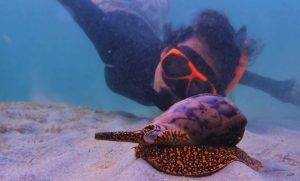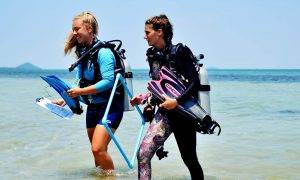
During April and May 2010 Marine Conservation Cambodia (MCC) research divers observed a significant amount of bleaching affecting the coral reef systems around Koh Rong Samloem and Koh Koun. More than 50% of the coral coverage was suffering from bleaching on the surrounding reefs. Bleaching affects corals and also certain invertebrates. Bleaching is actually the loss of a specific algae (Zooxanthellae) due to stress. This algae has a symbiotic relationship with its host, supplying colour and providing the majority of energy needed by the host organism.
Luminescence of organisms is an indicator of stress before the final bleached stage. Luminescence was observed in a large majority of hard and soft corals, giant clams and anemones. The process of luminescence is a reaction of the zooxanthellae to increased sun exposure and acts as a sunscreen. The algae pigment cells react to the additional sun energy by breaking up the sunlight into the colour spectrum and expelling the more damaging energies, giving the coral a fluorescent colour. Near the end of this process, if the health of the coral is not improving, the algae leave the zooxanthellae and the coral is considered bleached.
One factor which is known to have an effect on the reef’s organisms and cause them to come under stress is water temperature. The proposed explanation for the current bleaching incident is due to an increase in oceanic temperature. Tropical reefs normally exist within a temperature range of 27⁰ Celsius to 32⁰ Celsius. When the temperature rises above this range, the organisms within the reef show bleaching. This has occurred in other coral reef systems around Jamaica in the Caribbean Sea and also the Great Barrier Reef in Australia. The water temperature in Cambodia around Koh Rong Samloem and Koh Koun rose from an average of 30oCelcuis to a peak temperature recording of 35oC.
Bleached coral may recover if zooxanthellae return to the coral. It has been documented that corals that recover zooxanthellae within four to
sixmonths after a bleaching event are more likely to return to a healthy state (Diaz-Pulido and McCook 2002). The fate of the bleached coral is dependent on the ability of the coral to out-compete the algae. Oceanic temperatures have decreased dramatically with the arrival of the wet season. Temperatures are once again averaging 30oCelcius and dropping frequently to 29oCelcius. Hopefully with this reduction in temperature the majority of the coral reef system will successfully recover.
In the past two months it appears that some of the corals are starting to recover and the majority of clams are also appear much healthier. MCC research staff and volunteers will continue to monitor the extent of bleaching and rates of recovery.
We have so far produced to documents on the bleaching event here in Cambodia the surveys conducted focus on four main tourist dive sites, the first document is on the initial extent of the bleaching during the months of April and May the second was conducted during July and August to monitor for signs of recovery or continued bleaching. These documents are available on request.
As Marine Conservation Cambodia is rapidly expanding and our projects are increasing we are looking for volunteers with experience in Marine and terrestrial biology, botany (especially Orchids), coastal management, healthcare and teaching.
Even if you do not have expertise in these areas, but you have self motivation and a passion to make a difference then you can get involved in many aspects of the work we are undertaking here in Cambodia. For those with little or no experience we provide basic training in areas of Marine and terrestrial research, first aid and teaching to get you started, so that you can still contribute to the goals of the project.
Our university internship programs are a chance to put into practice what you have learnt already while getting valuable experience in the field. Our current university interns have been integrating into Khmer culture and really putting their knowledge into practice working together closely with our partner organizations and relevant government departments.
Please email us if you are looking to be involved in a project that really makes a difference.
Marine Conservation Cambodia over the past 12 months has gone from strength to strength, this is mainly down to the dedication and commitment of the Marine Conservation Cambodia team and the volunteers that have given their time, energy and passion to help protect Cambodia's marine environment and the communities that depend on its resources.
Our achievments over the past year have started to change the tide of destruction that was rapidly destroying some of the most unique habitats in SE Asia. The protection of the Corral (one of the main Seahorse breeding grounds) and the creation of the largest community managed marine area in Cambodia has allowed an oppertunity for some of Cambodia's diverse marine habitats to begin recovery.
The surveys we have conducted have identified many new areas to be legislated for protection and increased the overall knowledge and documentation on Cambodian marine species, including the recent discovery of one new undescribed species of Nudibranch.
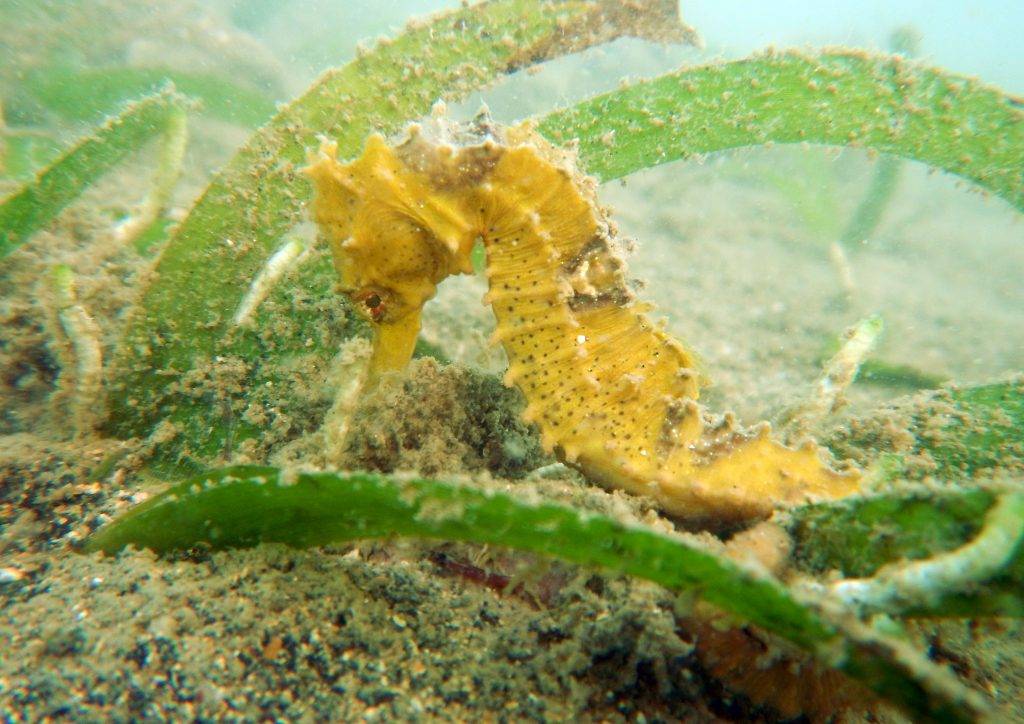
Our Seahorse project has brought national and international attention to Cambodia's diverse but declining Seahorse populations, leading to the creation of governmental sub decrees that now make it illegal by Cambodian law to catch or trade in Seahorses.
The close working relationship we have developed with the Cambodian Ministry of Fisheries has lead to the creation of a 4km buffer zone around the islands of Koh Rong and Koh Rong Samloem. This zone was created to protected the diverse inshore areas around both islands from the large sand extraction vessels which are operating in Cambodian waters.
The changes have not only been at national level but also on the local community level, with volunteers running daily lessons at the Koh Rong Samloem school, the creation of a referal clinic for the Koh Rong Samloem community and the extra income generated through true eco-tourism has helped the local island economy creating jobs and small community run buisinesses that cater for the volunteers.
All together it has been an amazingly successfull year and with the continued support from volunteers and project supporters we can continue to achieve great progress.
A big thank you to all those who have been involved so far and a warm welcome to those that would like to join us in the future.
If you are interested in getting involved or supporting the project please contact us for more details